Texas
The Great, Ancient, Timeless Dilemma: A Long and Comfortable Life, or Glory?
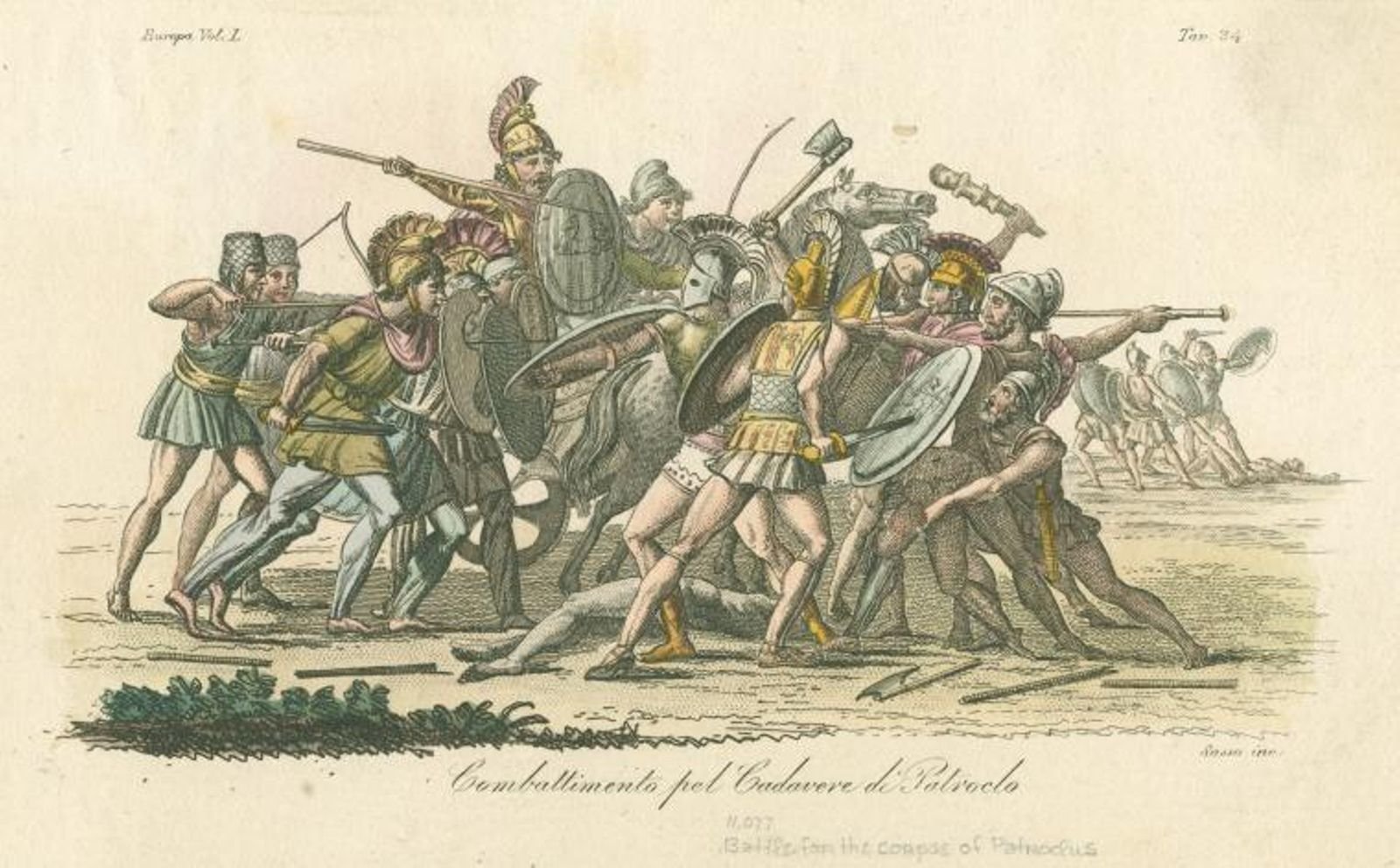
The Miriam and Ira D. Wallach Division of Art, Prints and Photographs: Picture Collection, The New York Public Library. "Combattimento per cadavere di Patroclo" Sasso, Giovanni Antonio (Engraver) New York Public Library Digital Collections.
There is a theme that comes up in history, literature and life repeatedly. Should one aim for a long, productive and comfortable life, or a spectacular, potentially short and tragic yet memorable one? Arguably, both can have deep meaning and history is filled with those who choose one or the other path.
When I was listening to the audiobook and reading along with the Samuel Butler translation of The Iliad by Homer, this dilemma for Achilles, was relatively clearly presented in Book IX:
“My mother Thetis tells me that there are two ways in which I may meet my end. If I stay here and fight, I shall not return alive, but my name will live forever: whereas if I go home, my name will die, but it will be long ere death shall take me.”
In other words, Achilles could gain fame as long as humans were around to write books and tell tales about the deeds of those who heroically fought on the battlefield of Troy, even if they died at 20 or 30 or 40 years old, never living to a ripe old age.
Or, Achilles could leave the storm of war and go back home and potentially live a long life to even one hundred years old and do many things during that time. But then, upon death be almost, in historical terms, immediately and promptly forgotten.
Over the course of centuries, many have had to make this decision. The warriors of The Iliad faced this decision, as did those Spartans at Thermopylae fighting against Persia, as did the doomed defenders of The Alamo, in Texas, in March 1836.
Those brave enough to storm the beaches on D-Day would also certainly have faced this dilemma; and really, pretty much anyone who has been brave enough to put on a uniform and serve their country has had to confront, usually in the earlier years of life, that they are not guaranteed to go back home. It is one of the greatest dilemmas of the human condition.
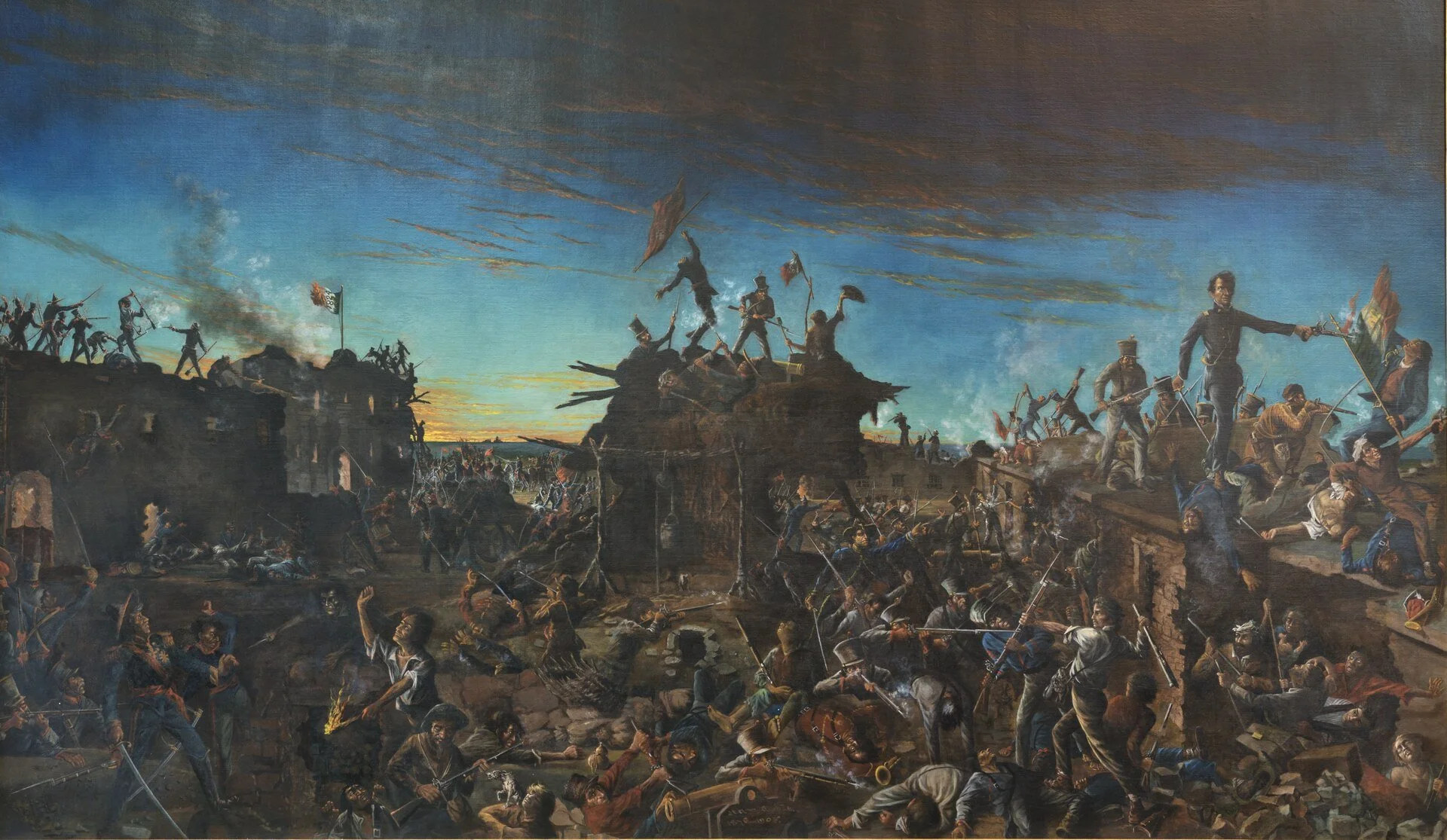
Dawn at the Alamo, Henry Arthur McArdle, oil on canvas, 1905. Capitol Historical Artifact Collection, State Preservation Board
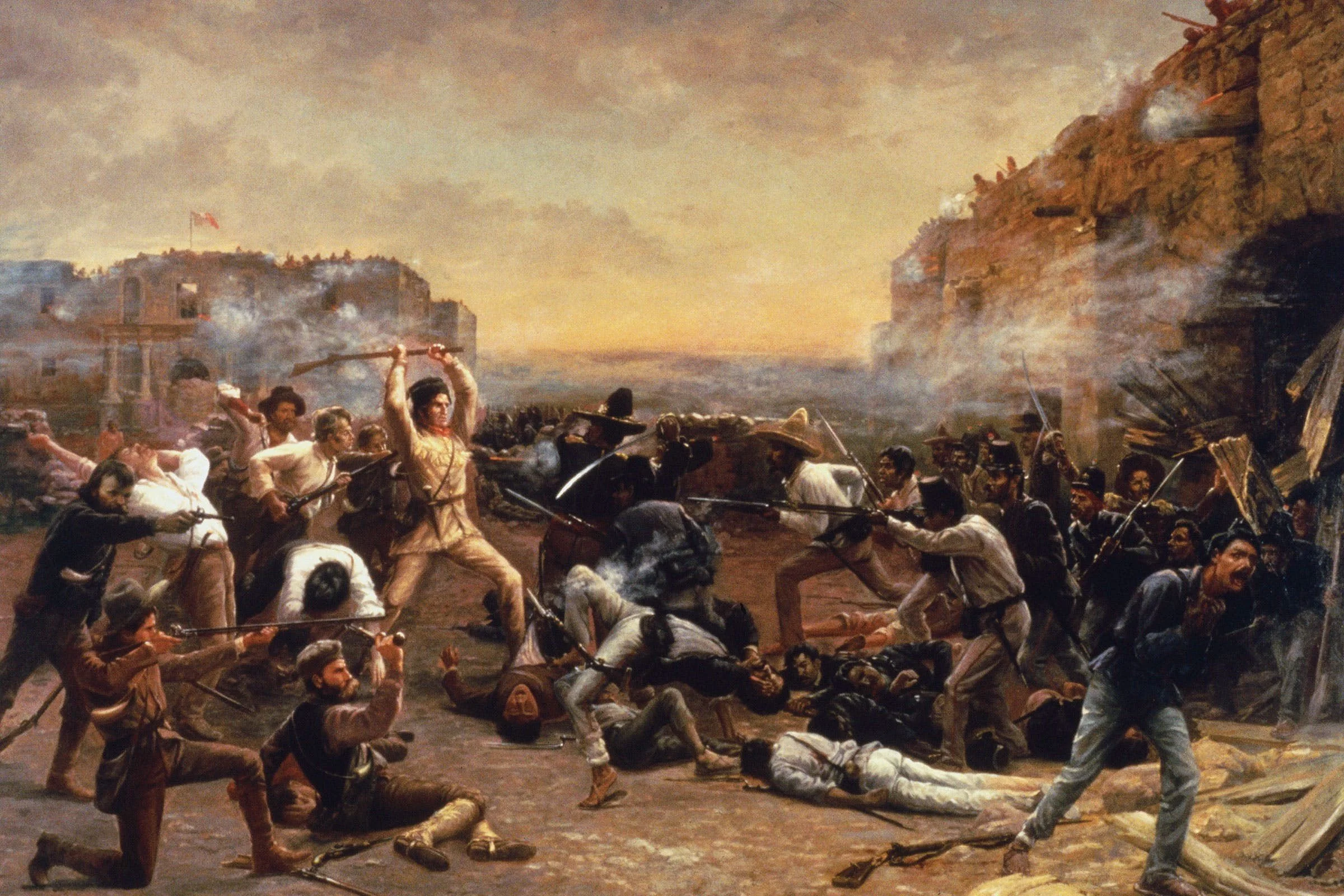
The Fall of the Alamo or Crockett's Last Stand, by Robert Jenkins Onderdonk (1903). The Texas Governor's Mansion Collections, Austin, Texas.